
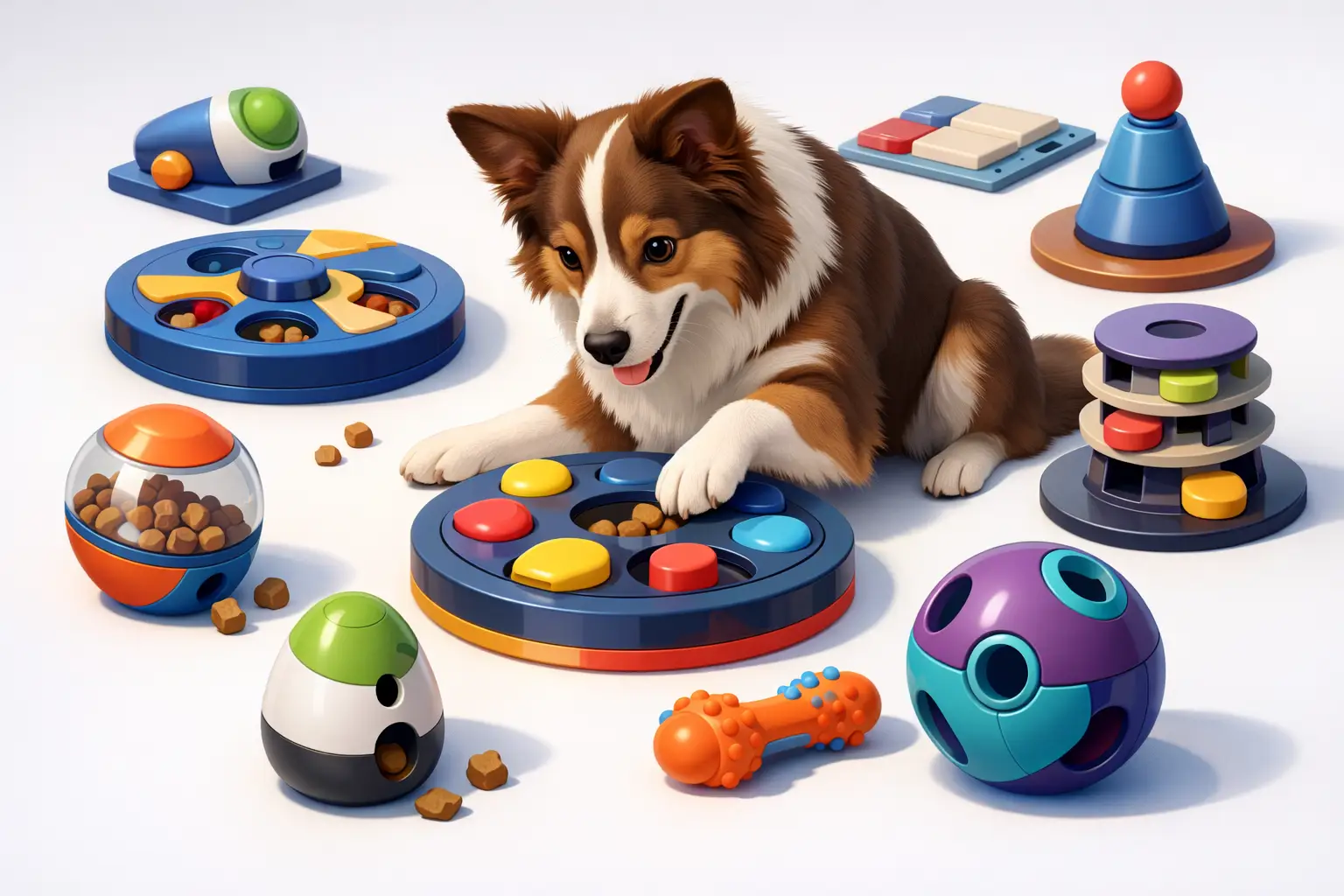
A bored clever dog can turn your living room into a project in under ten minutes. One flipped laundry basket, one missing sock, one suspiciously shredded throw pillow later, and the message is clear – your dog needs more than a basic chew toy. The right interactive toys for smart dogs do more than entertain. They give bright, busy minds a job to do, which often means less frustration, fewer unwanted habits, and a more peaceful home.
Smart dogs tend to notice patterns fast. They learn where treats are stored, how doors work, and exactly which look gets them an extra walk. That intelligence is a gift, but it also creates a higher need for stimulation. If their environment feels too easy, they often make their own fun. Interactive toys help channel that energy into something constructive.
Physical exercise gets most of the attention, but mental exercise is often the missing piece. A long walk is helpful, yet many intelligent dogs come home physically tired and still mentally ready for more. That is where interactive play can change the rhythm of the day.
Problem-solving toys ask your dog to sniff, paw, nudge, slide, or rotate parts to earn a reward. That process taps into natural instincts like foraging and hunting. For many dogs, ten to fifteen minutes of focused enrichment can feel more satisfying than another lap around the yard.
This also matters for behavior. Dogs that are under-stimulated may bark more, pace, dig, chew furniture, or demand constant attention. Interactive toys are not a cure-all, and they cannot replace training or connection, but they can reduce the boredom that often fuels those habits.
Not every toy with a squeaker or treat compartment counts as meaningful enrichment. The best interactive toys for smart dogs ask for participation. Your dog should need to figure something out, not just bite down and wait for a snack to fall out immediately.
A good interactive toy usually does one of three things. It slows down access to food, creates a puzzle your dog can solve through repeated effort, or changes the reward pattern enough to keep interest high. Variety matters because many smart dogs master simple toys quickly.
Difficulty matters too. If a toy is too easy, your dog loses interest. If it is too hard, frustration takes over. The sweet spot is a challenge your dog can solve with effort, especially when first introduced with encouragement.
Treat-dispensing toys are often the easiest place to start. These reward movement and persistence. Your dog rolls, nudges, or bats the toy around to release kibble or treats. They work especially well for dogs who eat too fast or need a more engaging feeding routine.
Puzzle boards are another strong option. These usually involve sliding covers, lifting compartments, or turning elements to uncover rewards. They suit dogs that enjoy working through a sequence rather than simply chasing food around the floor.
Snuffle mats appeal to dogs with a strong nose. Instead of solving a mechanical puzzle, they forage through fabric layers to find hidden food. This style is especially useful for dogs that become overstimulated by high-energy play but still need mental work.
Interactive plush toys can be great for dogs who like “jobs” with a softer feel. Some hide smaller toys inside larger ones, while others combine squeakers, crinkle textures, and hidden pockets. These are usually less durable than rubber or hard-shell puzzle toys, so they are best for gentler players.
Tug and chase toys with an interactive element can also work well, particularly when the real enrichment comes from playing together. A smart dog does not always want a solo activity. Sometimes the most valuable toy is one that strengthens focus, impulse control, and engagement with you.
Start with your dog’s play style, not just their breed label. Herding breeds, sporting dogs, terriers, and working breeds often love problem-solving, but individual preferences still matter. One dog wants to sniff quietly in a corner. Another wants to slam a treat toy into the wall until dinner appears.
Think about motivation. Food-driven dogs usually do best with puzzles and dispensers. Dogs that care more about movement or interaction may prefer toys that involve tugging, chasing, or a hidden object game with you.
Durability is a practical issue, not a small one. If your dog is a power chewer, soft fabric puzzles may last one afternoon. Look for tougher materials and always supervise the first few sessions. A toy is only enriching if it is also safe.
Noise level can matter more than people expect. Some pet parents love an active toy until it starts skidding across hardwood floors during a work call. If your home is design-conscious and calm by nature, quieter enrichment options like snuffle mats or structured puzzle feeders may fit your routine better.
One of the biggest mistakes is leaving the same toy out all the time. Novelty fades quickly for intelligent dogs. Rotating toys keeps them fresh and helps each one feel rewarding again.
Another common issue is making the challenge too advanced too soon. If your dog cannot understand how success happens, they may walk away or try to destroy the toy instead of solving it. Start easy, let them build confidence, then increase complexity.
Many owners also miss the value of participation. Even independent enrichment often works better when introduced together. Show your dog how the toy works. Celebrate small wins. For some dogs, that brief shared learning moment is what makes the toy click.
The most effective enrichment is the kind you will actually use. That usually means attaching it to moments that already happen every day. Breakfast can go into a slow puzzle feeder instead of a bowl. Mid-afternoon can become a ten-minute scent game. Evenings can include a short interactive session before your dog settles down.
This kind of rhythm supports more than entertainment. It helps organize your dog’s expectations. Dogs often do better when they know that energy, play, food, and rest all have their place. Interactive toys fit beautifully into that structure because they turn ordinary moments into mentally satisfying ones.
For new pet parents, this can be especially helpful. Clever dogs often seem “high maintenance” when what they really need is a better system. A few well-chosen enrichment tools can make daily life feel less chaotic and more intentional.
It depends on the dog. Some dogs need enrichment because they are bright and curious. Others need it because they are anxious, under-exercised, or struggling with isolation. Toys can support those challenges, but they are not a substitute for training, movement, rest, and emotional security.
If your dog is becoming destructive, reactive, or deeply unsettled, look at the full picture. Sleep quality, exercise balance, routine, and training all matter. Interactive toys work best as part of a thoughtful lifestyle, not as a quick fix.
That is also why curated choices matter. A home full of random pet products is not the goal. A few well-designed tools that fit your dog’s habits and your household rhythm usually do more than a giant toy bin ever could.
The best interactive toys for smart dogs create a better day for everyone. Your dog gets challenge, variety, and a chance to use their brain in satisfying ways. You get fewer boredom-driven behaviors, more calm between activities, and a home that feels easier to manage.
At Idylle Shop, that is the heart of elevated pet care – choosing tools that support wellness, simplify routines, and make life with your dog feel more connected and less reactive. Smart dogs do not just need more stuff. They need the right kind of engagement, offered with consistency and a little creativity.
If your dog keeps finding their own ways to stay busy, take that as useful information. Give that intelligence a job, and you may be surprised by how much calmer the whole house feels.

We’re here to help! Find quick answers or reach out to our team anytime.







Leave a comment